

World Lakes Day 2026
Posted by Emma Lamb
27 August 2026On the first ever World Lake Day, Dr Holly Tipper from the UK Centre of Ecology and Hydrology and CLIMAR’s Freshwater Change Working Group lead considers the importance of these important ecosystems in the light of AMR and climate change.
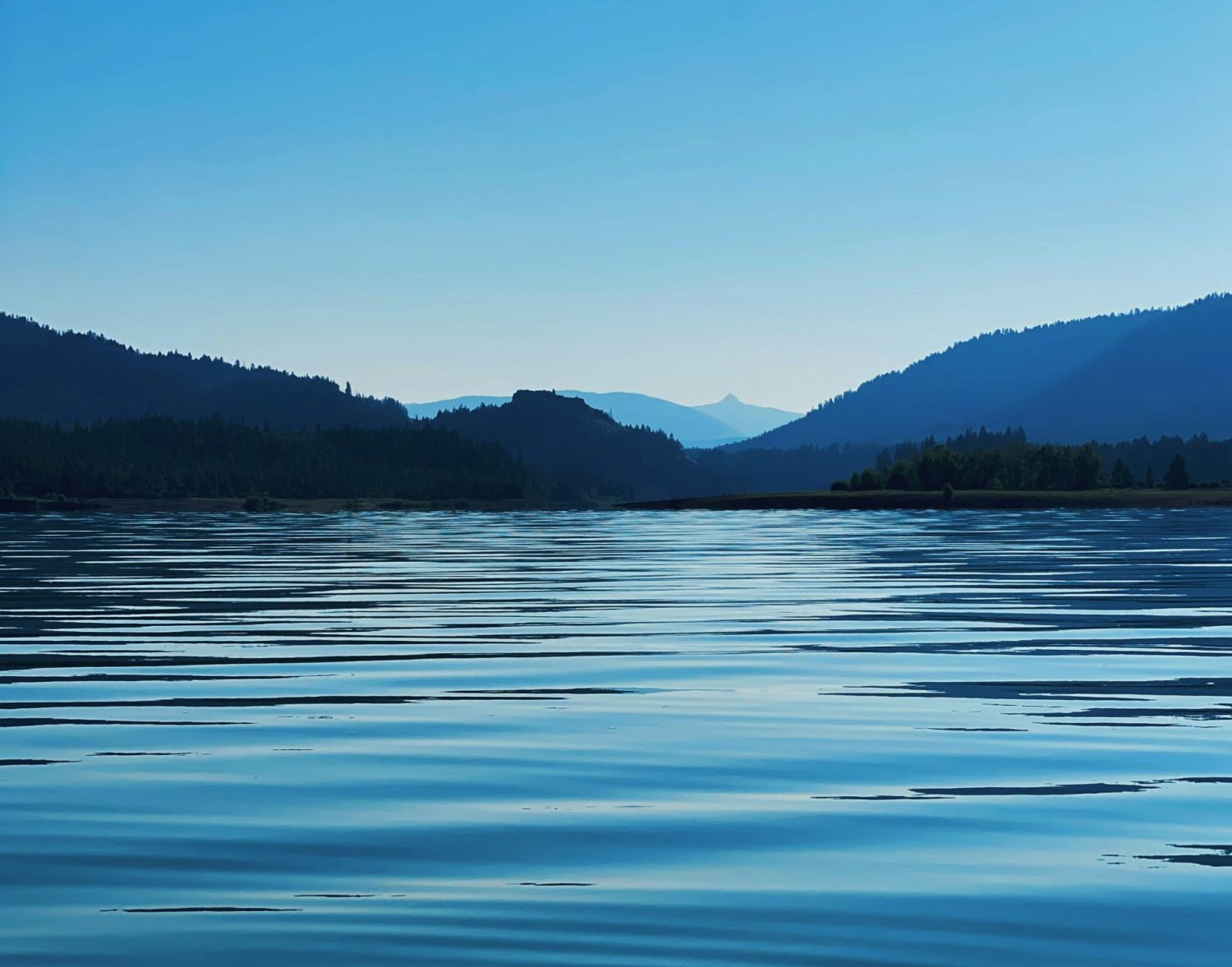
Photo by Jenn Wood on Unsplash
World Lake Day: freshwater health in a changing climate
World Lake Day is a chance to recognise the importance of lakes. They are places for wildlife, recreation and culture, and part of the natural infrastructure that supports ecosystem health, livelihoods, safe water supplies and public health. They are also connected to less visible health challenges, including antimicrobial resistance (AMR), as lakes and other freshwaters can receive microbial and chemical contamination from across their catchments.
Lakes do not exist in isolation, but are connected to the waterways around them, including rivers and coastal waters. Their condition is shaped by what happens across the surrounding catchment, including wastewater inputs and runoff from agriculture and different land uses. Freshwater ecosystems are particularly sensitive to climate change as water temperature, water availability and habitat connectivity are closely tied to climate. Where freshwaters, including lakes, are already affected by pollution, land use and abstraction, climate change can amplify existing pressures by altering rainfall patterns, drought and flood risk, water temperature, oxygen levels, and water quality and quantity (see this article, and this one).
These changing freshwater conditions can influence how AMR behaves in the environment. Antimicrobial resistance is often discussed in relation to people, animals and medicines, but it also has an important environmental dimension. Resistant bacteria, resistance genes and antimicrobial residues can enter freshwaters through untreated and treated wastewater, land runoff and other sources of pollution. Climate-related shifts in rainfall, runoff, water levels and temperature can affect how these microbial and chemical contaminants move, persist or become concentrated across connected waters. As people and animals interact with freshwaters in everyday life, from recreation to food production and water use, climate-driven changes that favour the persistence or increase of AMR could have health implications.
Protecting lakes and freshwaters is therefore about more than protecting individual water bodies. It is about understanding the links between climate, pollution, biodiversity and health, and using that understanding to improve monitoring, strengthen catchment management and reduce avoidable contamination. On World Lake Day, lakes offer a clear reminder that valuing and protecting our freshwaters is also part of protecting public, animal and ecosystem health.