
A forgotten facet of social inequality: hygiene poverty and climate change interact to drive antimicrobial resistance (AMR)
Posted by Emma Lamb
14 October 2026
National Hygiene Week, 5 October – 11 October 2026, highlights the growing scale of hygiene poverty in the UK. The Hygiene Bank marked this with their latest report, Time To Act: Hygiene Poverty in the UK 2026. CLIMAR co-lead, Jennifer Cole (Royal Holloway University of London), writes on how hygiene poverty is compounded by climate change – even here in the UK.
A recent WHO report highlighted that people who are socially and economically marginalized are more likely to be exposed to bacterial infections, drug-resistant infections, and are more vulnerable to the health, economic and social consequences of AMR; the same is true of fungal infections.
Hygiene poverty – the inability to afford basic personal and household products such as toothpaste, soap, washing power or kitchen surface cleaner – leaves people in poverty even more at risk of infections and more likely to require antimicrobial drugs. Poverty campaigners and academics alike stress that poverty should not and cannot be siloed according to different consumables and needs to be tackled at source; nonetheless, the inability to afford hygiene products is an under-appreciated element in the emergence and spread of antimicrobial resistance. As temperatures rise, maintaining personal hygiene becomes more difficult and food spoils more quickly, intensifying the challenges faced by people in poverty.
The extent of hygiene poverty in the UK
An estimated 5.3 million people in the UK – around one in every 15 – regularly must choose between buying hygiene products and other more pressing essentials, such as food, electricity or paying rent. This creates barriers to cleaning clothes, bodies and homes.
On average, each classroom has two pupils whose family struggles to wash their uniform regularly. Unwashed clothes and bedding are breeding grounds for harmful microorganisms that can cause skin infections, leading to acne, dandruff and dermatitis as well as stomach upsets. Infections can subsequently trigger the use of antimicrobials and is just one of the ways in which socioeconomic inequality produces and reproduces exposure to pathogens, the drugs needed to tackle the infections they cause, and the antimicrobial resistance that can result from this.
Feeling poverty bite
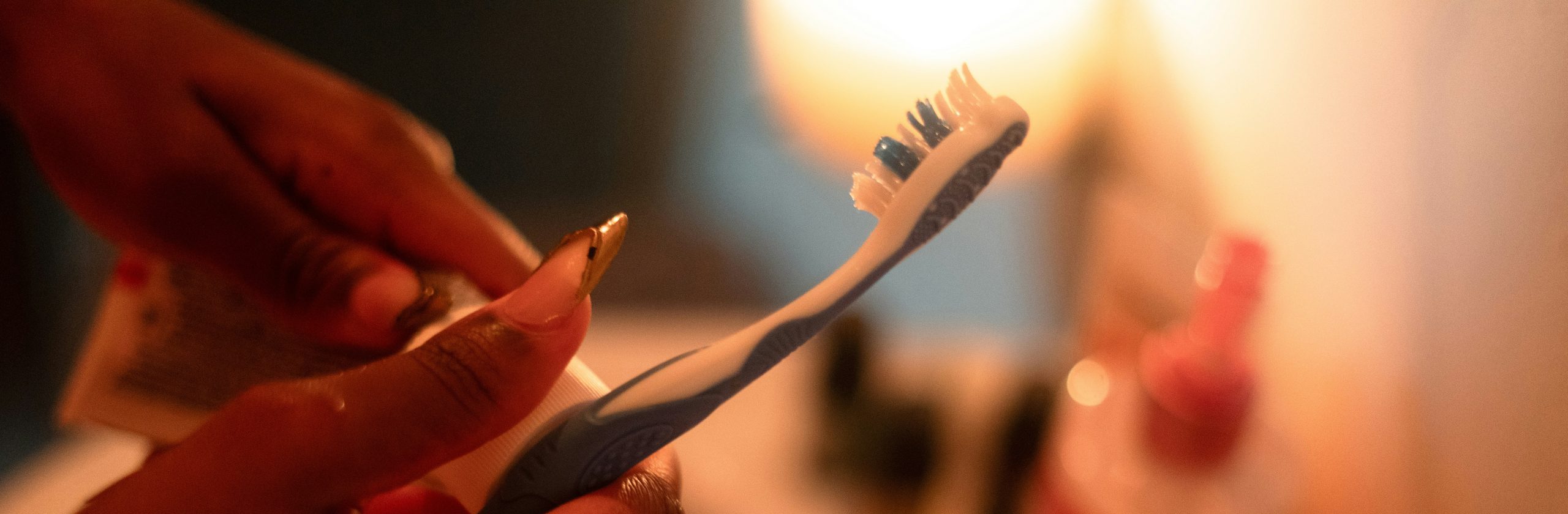
Oral hygiene is also put at risk by poverty. In a study by the British Dental Association in 2023, 83% of schools reported giving toothbrushes or toothpaste to children whose families couldn’t afford to buy their own. The BDA described an “epidemic of decay” following in the wake of the cost-of-living crisis – tooth decay is the leading cause of hospital admissions amongst UK children aged 5-9 years old and can lead to dental abscesses, gum disease and oral infections that trigger antibiotic use. Children from deprived areas are 3-4 times more likely to need tooth extractions in hospital than children from wealthier areas, further exposing them to the risk of hospital ‘superbugs,’ which hospitalised children are twice as likely to catch than adults.
Keeping food cool and infection-free
Then there’s a third risk: food hygiene. People living in poverty often lack sufficient kitchen facilities and appliances needed to store or prepare food hygienically, either because they don’t have a fridge where food can be kept cool, allowing bacteria to grow – particularly in warmer temperatures – or because they can’t afford washing up liquid or kitchen surface cleaner. Neither the Trussell Trust or IFAN, two the UK’s premier food bank charities, record the percentage of their food banks that also supply cleaning products, though both press offices know that many do.
People living in poverty are more likely to buy close-to-sell-by-date reduced food, or cheap meat from informal markets. Contaminated food leads to stomach bugs and diarrhoea, which in turn drives antibiotic use and AMR. Impoverished, non-diverse diets have, moreover, been linked to compromised immunity and inflammation. Those who lack adequate kitchen facilities, such as people housed temporarily in hotel or hostels, are less likely to eat a healthy diet than those in similar socioeconomic circumstances who can cook their own food, further stressing their immune system and allowing bacterial and fungal infections to take hold. This vicious circle of poverty, infection and AMR exposure is made worse by a warming UK climate, with hotter, wetter periods posing a particular risk.
Putting hygiene poverty on the agenda
The above examples are just three of the ways in which poverty, infection risk, climate change and antimicrobial resistance interact, bringing us back to how equity – in this case hygiene equity – is a neglected dimension of AMR policy and practice and why it’s an issue that needs to be on CLIMAR’s agenda. Recognised by the World Health Organization, it is nonetheless often absent from AMR National Action Plans. The word ‘hygiene’ is not mentioned once in either the UK’s Levelling Up Agenda or the most recent report of the UK Climate Change Committee but if we want to tackle AMR, we must tackle pathogenicity, and the best way to tackle it is through good hygiene – a challenge that is exacerbated by climate change.
Acknowledgements
The author would like to acknowledge Rosie Steege, Liverpool School of Tropical Medicine; Kasim Allel, City St George’s University of London; Claas Kirchhelle, Cermes3; Samantha Watts, Royal Holloway University of London and Sharon Ball, Cardiff University for providing additional information/review.